Alexander Tsepkov Project Portfolio
Software developer and data geek with 18+ years delivering web, mobile, and defense systems that ship to production. My focus is on analytics platforms, APIs and developer tooling. My open-source work ranges from compilers and automation frameworks to GIS data products. I weave AI-assisted workflows into day-to-day engineering to accelerate delivery and quality.
The Cost of Indecision
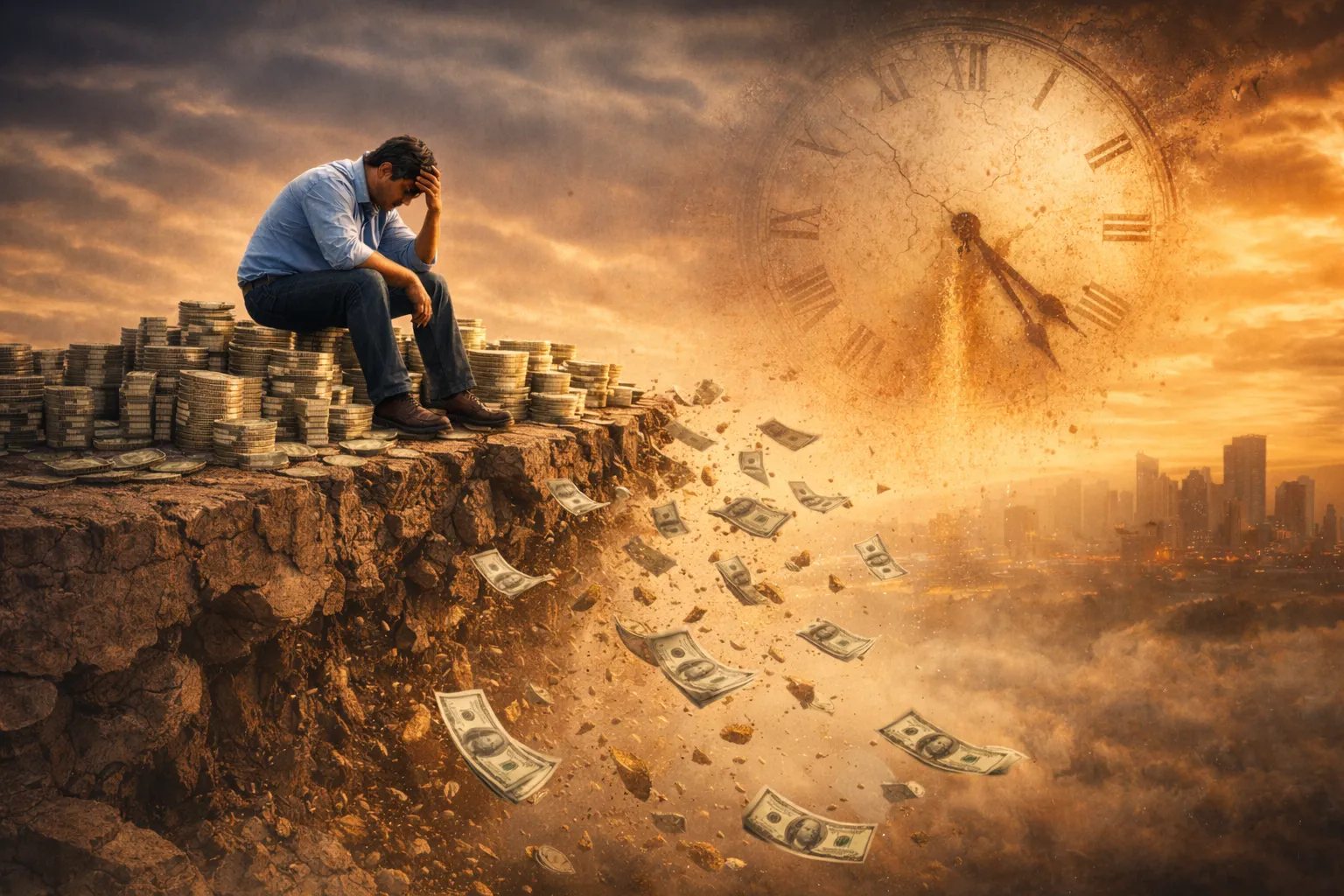 I used to think that if I waited for more information, I would make a better decision. Many people do, we convince ourselves that tomorrow’s clarity is worth the delay. In reality, stalling is never a safe choice. By waiting for perfect certainty, we often miss our window of opportunity. Markets move and people with higher risk tolerance act first, so by the time we feel ready, the best deals are often gone. As another Investomation post put it, some of us buy early and outpace inflation, while others “keep waiting for a perfect moment” and later regret their indecisiveness.
Chasing Clarity
No matter how much research we do, it's impossible to achieve 100% clarity. In my teens, I would spend days comparing two products that cost under $50 to make sure I made the right decision. In hindsight, the time wasted on this analysis outweighed any savings.
We analyze, seek opinions, read the news, and ultimately procrastinate, thinking that tomorrow the decision will somehow be easier. Meanwhile, someone else will almost always be willing to take action on incomplete data. By the time we feel fully informed, prices have moved. More often than not, clarity comes from 2-3 key pieces of information, the rest of the process is often just mulling over the details.
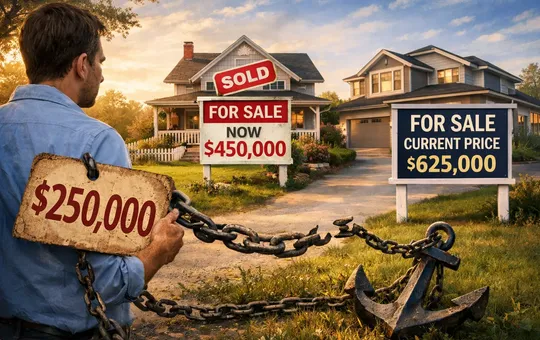
Deals that seemed too too expensive before COVID are dirt-cheap by today's standards. As the addage goes: the best time to buy was yesterday, the second best time is today. Friends who scoffed at the multi-family I bought in Chelsea, MA back in 2016 (when the gentrification was just starting) were renting apartments in the very same area by 2020. Waiting for every question to be answered often means paying a higher price, or losing the deal entirely.
Action vs. Inaction
I used to think the cost of a bad decision outweighed indecision. But experience has proven me wrong. To date, I've lost over $200k in real estate due to mistakes I made early on. However, I made 2-3x more in the process by going through the pain, learning, improving, and letting inflation work in my favor.
Here is my mental model now:
- The best outcome is making a good decision and getting it right. This is the selling point of having a mentor, paying someone $5k to save yourself from a $50k mistake is a no-brainer.
- The second-best is making a wrong decision and learning from it. Even if you lose money on a deal, you gain experience and knowledge that helps you recover faster next time.
- The worst outcome is making no decision at all. Inaction guarantees opportunity cost: the deal is gone, and inflation has quietly eroded your buying power while you waited. Indecision often costs more than a mistake, while inflation can wash away the pain of your mistakes over time.
In practice, this means that doing something - even if imperfect - usually beats doing nothing. I’ve learned that mistakes teach me faster than hesitation. Every wrong move was a lesson that refined my judgment. By contrast, every year I spent hesitating increased the distance between myself and other peers who have not.
Time is Money: Inflation’s Toll
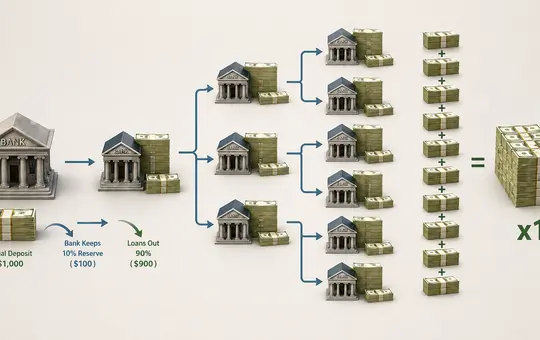
Time itself has a price. Money sitting idle loses value. Every year the dollar buys less than before, effectively a hidden tax. Even the official inflation target from The Fed is 2%. That's 2% annual tax on money that sits in your bank account. It may not seem like much, but overtime this adds up. There is "Rule of 72", that's often referenced in real estate. The rule says that you can divide 72 by annual interest rate to arrive at the number of years to double the value of your assets. By applying this rule in reverse using target inflation rate, we see that simply keeping your money in the bank loses half its purchasing power every 36 years. And this is optimistic scenario!
The real inflation rate has been significantly higher over the years, and not just during COVID. We've seen annual inflation as high as 9%+ during COVID, but even prior to COVID annual inflation has been closer to 5% rather than 2% that The Fed advertises. The government is incentivized to under-report inflation, they want to inflate their debt away without alarming the general public.
Inflation rewards those who take action and punishes those who don't. Even if you overpay for an asset, inflation will wash away the cost of that mistake. What feels expensive today will look like a bargain later. Minimum wage never goes down. Incomes rise, prices rise. Every month spent on the sidelines costs roughly 0.4% of wealth on a 5% annual rate. It’s a slow squeeze - one you only notice years later, looking back in the rear-view mirror.
Lessons from the Journey
Looking back at my own real estate journey, I see it differently now. I walked away from a deal in 2013 because I “needed more analysis” to make sure I'm not overpaying. Now, in 2022, that property is worth over 2x more (and the 20% downpayment in turn would be worth 6x more). The same money sitting in the bank for the last decade would have barely made any interest at all. Luckily, I've made other investments with that money since then. But it's eerie to think that a simple "not so good" investment made early on can outpace several great investments made later.
Related posts